

Schools build stronger international teaching teams in three stages. They recruit overseas teachers early, guide them through registration and visas, then support them long-term. Each stage carries its own paperwork, and a missed step can push a start date back by a full term.
Unfortunately, many principals start this process only after a term of relief cover and a thin applicant pool. Mind Leap Tech works with schools facing that same squeeze, and the earlier a school plans, the more options it keeps.
This guide explains what overseas teachers need before they can teach in New Zealand. It covers how registration and visas fit together, where to find candidates and what a first-term induction should include.
International Teachers Fill the Gaps Local Hiring Can’t Close

Plenty of schools only look overseas after a vacancy has sat unfilled for a term with no NZ teachers applying. By then, senior students have worked through a run of relief teachers. A head of department may also be marking two subjects at once.
However, teacher shortages vary across the country and by subject. Secondary teachers in maths, physics and technology remain the hardest to replace, and middle school maths roles face similar gaps. Early childhood centres feel the same pressure, since they compete for a small pool of qualified staff. Similarly, primary teachers apply more often for city roles, while rural schools can advertise twice and hear nothing.
International teachers help close these gaps because they arrive with qualifications, classroom experience and references you can check. Many also want teaching jobs abroad for lifestyle reasons, and a coastal town or a short commute can strengthen your offer. Once they settle, they work alongside New Zealand teachers and bring experience from another education system to your department.
If you’ve rung around the relief list at 7 am, you’ll already know how fast goodwill runs out. In our experience, schools looking to hire well start talking to candidates two to three terms before a vacancy opens.
Registration, police checks and visas all take time, so a late start will push your new hire’s first day back. Waiting until January also puts you in a queue with every other school chasing the same NZ teachers and overseas candidates.
What Do Overseas Teachers Need Before Taking Jobs in New Zealand?
Overseas teachers need Teaching Council registration, a practising certificate and a residence or work visa to teach in New Zealand. Those three sit in a set order, and the visa from Immigration New Zealand usually waits on the first two. Before any of them, candidates need their qualification assessed, so the process runs as four checks in total.
Each check below shows what the candidate does and where your school can help.
Checking Qualifications Through NZQA
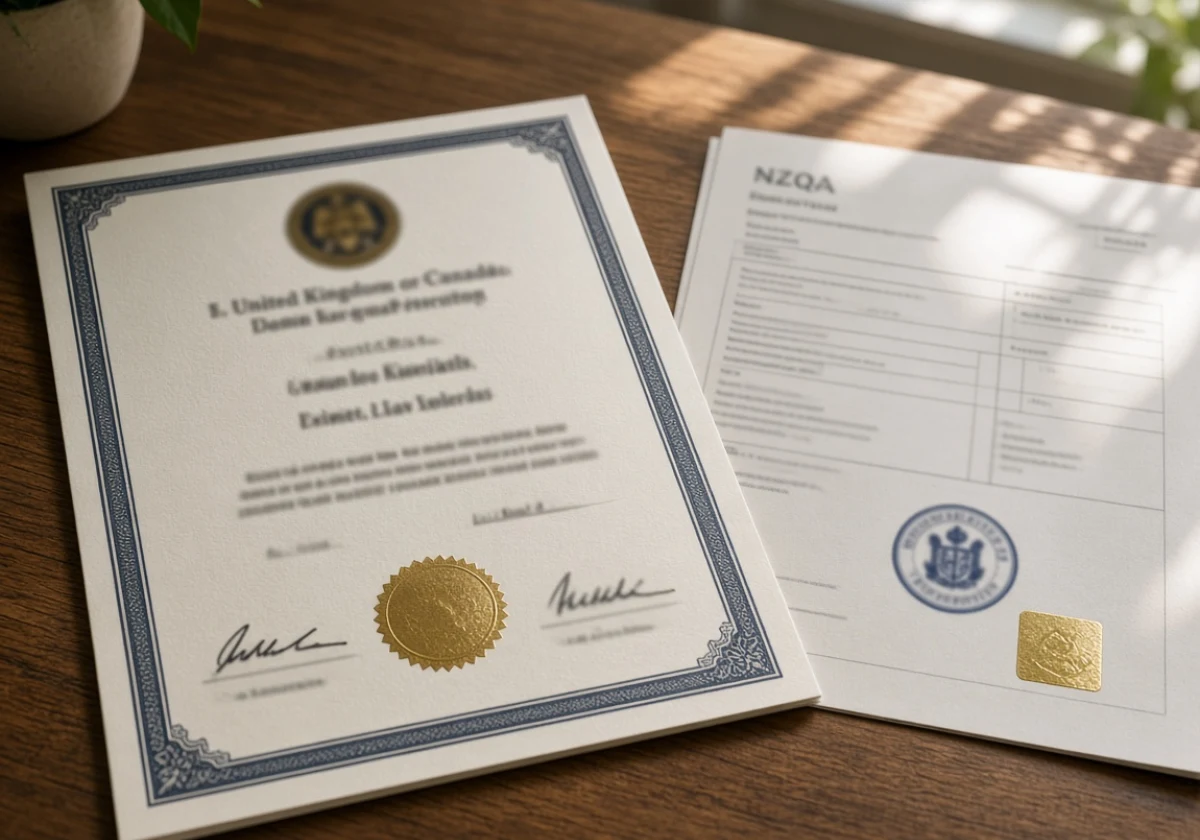
The New Zealand Qualifications Authority (NZQA) compares an overseas qualification against the New Zealand education system. Its International Qualifications Assessment report names the level the degree matches and then travels with the registration file.
Processing can take several weeks, so encourage shortlisted candidates to apply as soon as you invite them to interview. A candidate who already holds the report skips that wait entirely. Check NZQA’s current processing times before you set a start date.
Degrees from the United Kingdom, Australia, Canada and the USA often compare well with local qualifications. But qualifications from other countries may need extra evidence, such as records of supervised teaching practice. Ask for these docum,ents early so the assessment does not stall halfway.
Teaching Council Registration Comes First
The Teaching Council of Aotearoa New Zealand registers every teacher working in New Zealand schools. Many staff simply call it the teachers’ council. Registration is a legal requirement, so a signed contract alone will not put anyone in front of a class.
Each overseas teacher supplies identity documents, the NZQA report and police certificates for the countries they have lived in. These certificates often cause the longest delays, and the slowest country sets your start date.
Candidates should order their police certificates as soon as they accept the job offer. The teachers’ council cannot finish the assessment until every certificate arrives.
How the Provisional Practising Certificate Works
An overseas-trained teacher usually starts on a provisional practising certificate, which the Teaching Council calls Tōmua. It allows them to teach while they complete an induction and mentoring programme at your school. Most teachers on this certificate need at least two years of supported teaching before they can apply for full certification.
During that time, they gather evidence against the Standards for the Teaching Profession. Your school provides a trained mentor and regular release time for observations and feedback. This support also counts towards the teacher’s professional development, so plan it into the staffing budget.
You should also name the mentor before the teacher’s first day. A provisional certificate cannot progress without signed-off evidence, and the mentor is the person who signs it.
Visa Options: Work Visa or Residence Visa?
Immigration New Zealand offers two main routes into teaching jobs here. The role decides whether a residence or work visa fits best. The first is the Accredited Employer Work Visa, which needs your school’s accreditation and a job check before the candidate applies.
The second route is a residence visa, granted under the Straight to Residence Visa requirements. Both routes still need an accredited employer, but this one gives the teacher residence from the start. Candidates must hold a job or job offer from an accredited employer, and the role must sit on Tier 1 of the Green List. Teaching roles on the list usually also require New Zealand registration, so the earlier checks still apply.
Pro tip: Check which teaching roles appear on Tier 1 before you advertise, since secondary school roles have featured there in recent years. If the role qualifies, mention the residence pathway in your advert, because many candidates will weigh it heavily.
Build an Induction That Settles Overseas Hires Into Your School Workforce
With the visa route checked, the next step is finding candidates worth interviewing. You know your subject gaps better than any agency will, so keep control of the search even when you use outside help. Good education recruitment starts with a clear role description and a short list of reliable channels.
Start with these three channels when you advertise teaching jobs in New Zealand to overseas candidates:
- Education Gazette Vacancies: The Education Gazette is the official vacancy listing for New Zealand schools, and overseas candidates search it for teaching jobs. Name the subject, year levels and start date in every listing. A middle school maths role draws a different shortlist from a secondary school physics role. Vague listings attract vague applicants, so add the visa route and any relocation support.
- Specialist Overseas Agencies: Recruitment agencies place primary teachers, secondary teachers and early childhood staff into schools and centres across Aotearoa New Zealand each year. Many draw candidates from the United Kingdom, Australia and Canada. Ask what share of their placements lasts beyond two years, since retention says more about quality than candidate numbers. Then request references from two schools they have recently supplied.
- Teaching Council Resources: The Teaching Council website holds registration forms, fee details and guidance for every overseas teacher applying from abroad. Send these links with the job offer so candidates can start their file straight away. An overseas-trained teacher who starts early has a far better chance of arriving registered for term one.
Pick two of these channels and work them consistently instead of spreading effort across every option. Store the links in one shared document your hiring panel can open. If you’re looking to hire for next year, set this up before the summer break so new teachers can start their files early.
Education Recruitment Channels: Where Schools Find Overseas Teaching Talent
Once your new hire accepts the offer and the visa is approved, the work moves from paperwork to people. A planned induction helps international teachers settle faster and stay longer. The first term can decide how they feel about the whole move.
Relocation costs also weigh on that first term, and many hiring panels underestimate them. According to the Ministry of Education’s Education Workforce site, teachers trained overseas may qualify for a relocation grant of up to NZ$10,000. Send the relocation grant for overseas-trained teachers linked with the job offer, before the teacher books flights.
In the inductions we’ve seen work well, one named person owned the whole plan. A job title alone rarely chases a missing bank form or a late tenancy reference. Give that person these five tasks to cover with your new teachers before and during term one:
- Book a Subject Mentor Early: Choose the mentor from your experienced New Zealand teachers in the same learning area. This should be the same person you named for the provisional certificate. Lock a weekly meeting slot into the timetable before term starts.
- Explain Local Assessment Systems: Secondary teachers need a clear walkthrough of NCEA (National Certificate of Educational Achievement) levels, internal assessment and moderation. Hand over last year’s moderation calendar so the dates are concrete from the start. Primary and early childhood hires need the same depth on their own curriculum and reporting cycles.
- Sort Banking and Housing Paperwork: Help the teacher apply for an IRD (Inland Revenue Department) number and open a local bank account in their first week. A tenancy can take longer because landlords usually ask for local rental references. A letter on school letterhead confirming the job can fill that gap.
- Introduce Tikanga Before Assemblies: Explain te reo Māori greetings and pōwhiri customs before the teacher’s first assembly or school event. Ask your Māori staff or kaumātua who should lead that briefing. This early step helps the teacher feel confident in front of students and whānau.
- Timetable Professional Development Hours: Block out professional development time for the evidence the teacher needs towards full certification. Put these hours into the teaching timetable so relief duty cannot absorb them. Then review progress with the mentor each term so the evidence builds steadily.
Work through these tasks in the fortnight before day one, and finish anything that needs the teacher in person during week one. Your new hire will then spend week one teaching instead of solving problems. A settled overseas hire also steadies the wider school workforce, since fewer relief gaps land on other staff.

Start Building Stronger Teaching Teams This Year
Choose one vacancy you expect next year and map its timeline backwards from the first day of term. Once you have a timeline, check the Green List, then send your shortlist to the NZQA and Teaching Council links straight away. A candidate who starts their paperwork this month has a realistic chance of starting by term two.
Ready to plan your hiring year? Talk to Mind Leap Tech about building teaching teams that stay.